
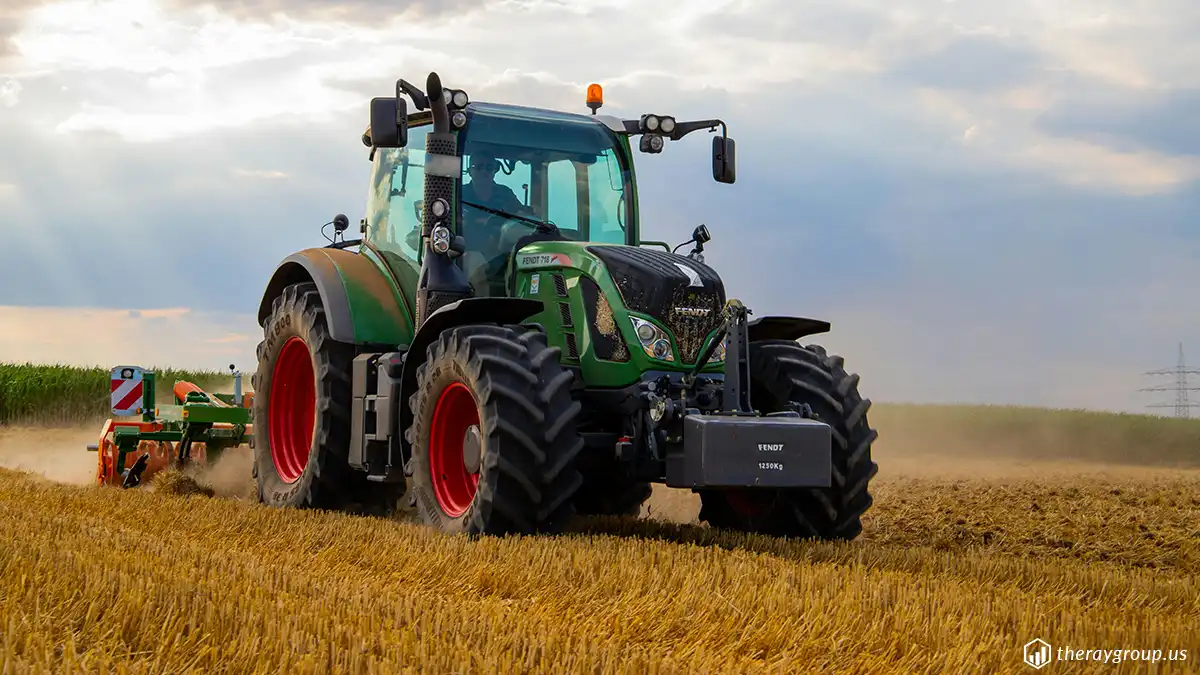
Farm succession and estate planning is often compared to passing on a family business, but that comparison only scratches the surface. While many industries deal with ownership transitions, farms sit at a rare intersection of family legacy, land stewardship, capital-intensive assets, and emotional identity. That combination makes planning for the future of a farm fundamentally different from succession planning in almost any other industry.


Why Farm Succession and Estate Planning is Unique
Running a farm is more than running a business. It is about stewarding land, nurturing a way of life, and setting up the next generation to succeed. Planning for the future requires more than financial documents or tax strategies. It also requires understanding how two key processes work together: succession planning and estate planning. While both are crucial for farm families, they serve very different purposes.
Succession planning ensures a smooth transition of leadership and operations during your lifetime. On the other hand, estate planning lays out what should happen to your assets and legacy after you are gone. When used together, they help protect the farm’s value, support and preserve family harmony, and provide peace of mind.
What Is Estate Planning?
Estate planning is about protecting what you’ve built and making sure it’s passed on the way you intend. You’ve spent years building something valuable, and estate planning ensures those assets are transferred in a way that reflects your wishes.
Without a plan, state law dictates who inherits, which can lead to unnecessary taxes, conflict, and inefficiency. Unlike many businesses whose value lies in intellectual property, equipment, or cash flow, farms are often land-rich but cash-poor. That creates major challenges in farm succession and estate planning.
Estate planning answers questions such as:
- What legal structures, such as trusts, can protect family goals?
- Who should inherit your land and when?
- How can I reduce the share taken by the government for taxes?
What Is Succession Planning?
Succession planning focuses on keeping the farm business running and thriving during your lifetime. However, even the strongest estate plan will not keep the farm thriving if no one is prepared to take over operations.
Succession planning addresses these questions:
- Are family members or outside successors prepared for success?
- Who will step into management or ownership when you retire or step back?
- How do you preserve the value of the farm while transitioning leadership?
This process doesn’t take months, it takes years. It involves preparing new leaders or the next generation, ensures operations continue smoothly, and identifying and defining roles. Because of this, farm succession and estate planning must begin earlier and be more flexible than in most other industries.
A strong plan considers three interconnected areas:
- Ownership of assets – Who holds title to the land, equipment, or operating entities.
- Family relationships – How expectations differ between active operators and absentee landowners.
- Business operations – Who manages the day-to-day and how transitions occur.
When these areas overlap, conflicts can emerge. Documenting leases, roles, and agreements early helps minimize disputes and ensures smoother transitions.
Why Planning Is Different for Farmers
The goal is continuity, not just transfer. In many industries, success is measured by a clean transfer of ownership or a profitable exit. In agriculture, success often means something deeper: keeping the farm intact, productive, and family-owned.
Farm planning is complicated by realities unique to agriculture:
- Land as the primary asset. For many families, land accounts for the majority of their net worth. It is valuable but not liquid, making planning around cash flow and inheritance complex. Families are often reluctant to sell parcels that have been passed down through generations.
- Farming as a lifestyle. Many farmers continue working well into their 70s or 80s because they love their work. That delay can slow transitions and complicate readiness for heirs who may already be in midlife.
- Uncontrollable risks. Weather, markets, and pricing create volatility that adds urgency to planning for continuity.
For these reasons, farm succession and estate planning is not just about who gets what.
Protecting Your Farm’s Future
Farm succession and estate planning are not just about taxes or legal paperwork. They are also about protecting what your family has built, sustaining it through generations, and creating smoother transitions for everyone involved.
If you’re considering succession or estate planning for your farm, The Ray Group can guide you through the process. We have helped generations of farm families and agribusinesses withstand the test of time thanks to meticulous planning. The first step is a conversation. Contact our team today to set your estate up for success.
You may also enjoy reading: The One Big Beautiful Bill Act